
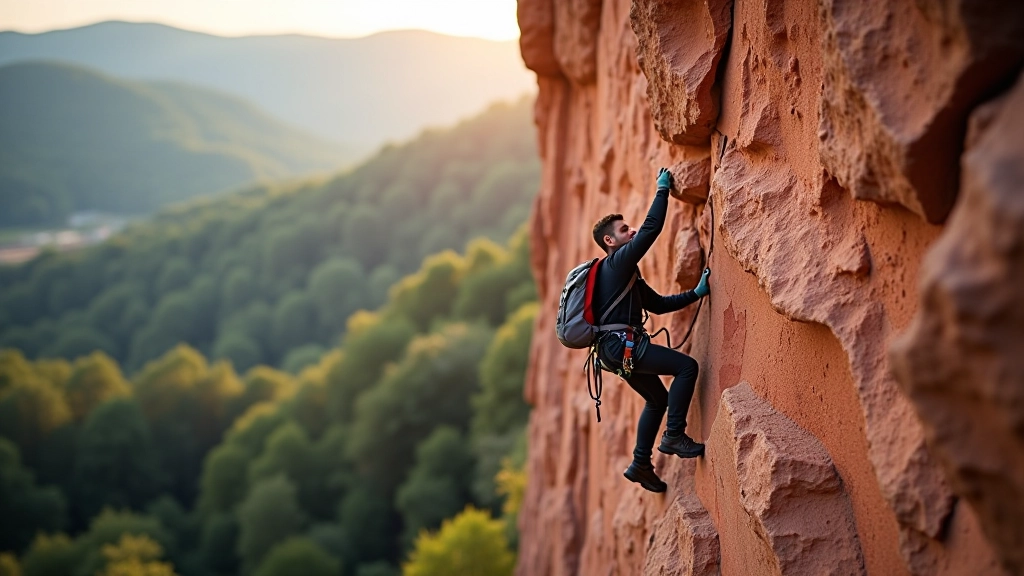
Adršpach Rock Town: Complete Climbing Guide for All Levels
The formations here aren’t just massive — they’re incredibly varied. We’ve covered every sector and approach you need to know.
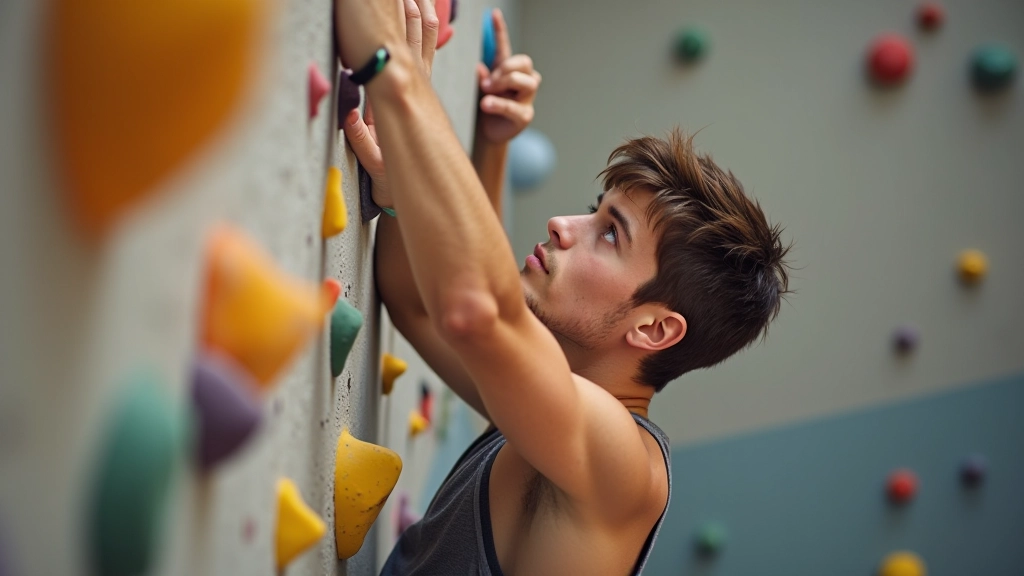

Bouldering’s the best entry point into climbing — no ropes, shorter walls, and you can try problems at your own pace. Here’s where to find good spots, what gear you actually need, and how to avoid common beginner mistakes that’ll slow your progress.
Bouldering isn’t rock climbing with less equipment — it’s a completely different animal. You’re working on short walls, usually 3-4 meters high, without ropes or harnesses. Instead, there’s thick padding called a crash pad underneath to catch you when you fall. And you will fall. A lot.
The movements are intense and problem-solving focused. Each route — called a “problem” — has specific holds you need to use to reach the top. It’s like solving a physical puzzle. The beauty is you can try the same problem 20 times in a session without needing a belayer or complicated setup.
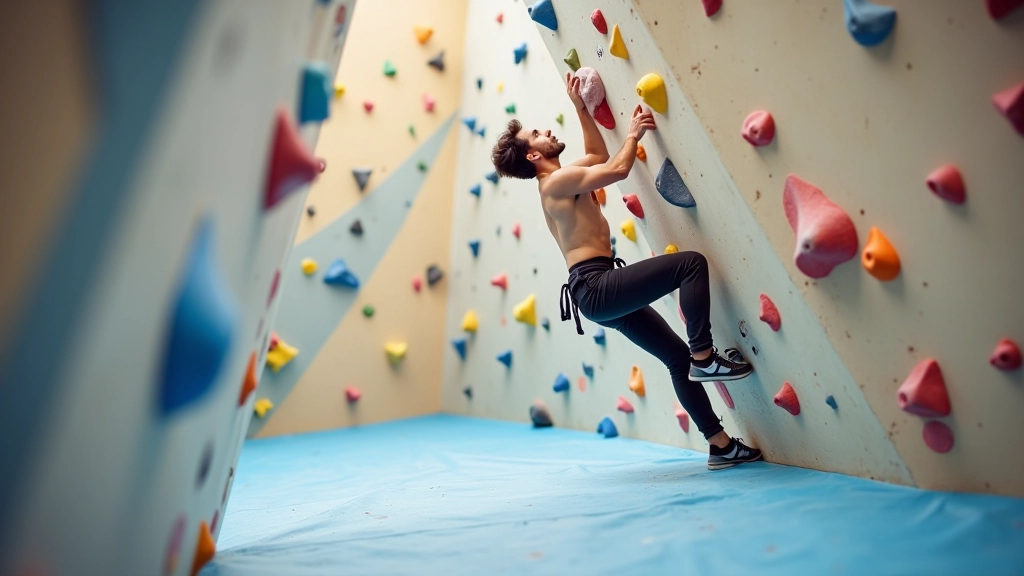
Here’s the good news — you don’t need much to start bouldering. Gyms provide the expensive stuff. You’ll want climbing shoes (rent them first), chalk, and a water bottle. That’s genuinely it for week one.
Climbing shoes run 50-120 EUR depending on brand. Don’t buy expensive ones yet — your feet will change shape as you progress and you’ll want different shoes in 6-12 months anyway. Rent from your gym for the first month. Most Czech gyms charge 3-5 EUR per session for shoes.
Pro tip: Bring a small towel and drink lots of water. Bouldering’s harder than it looks and you’ll sweat more than expected. Most beginners underestimate how demanding it is physically.
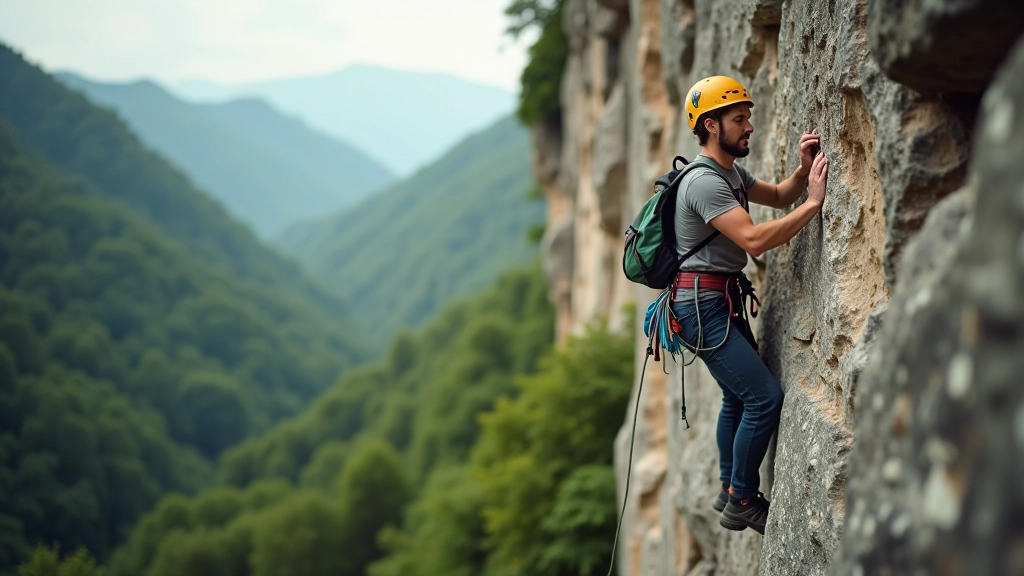
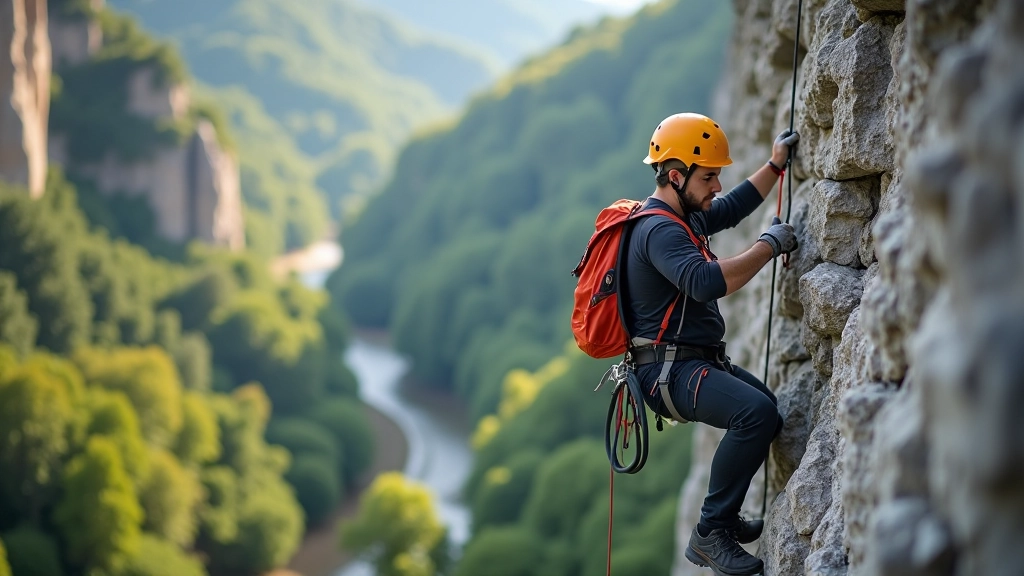
Czech Republic has solid indoor bouldering gyms in all major cities. Prague alone has 8-10 dedicated facilities. Most have beginner-friendly problems marked with different colors — you’ll start on green or blue routes, which are genuinely achievable after 2-3 sessions.
For outdoor bouldering, the sandstone formations around Labské údolí and Adršpach offer natural problems. But honestly? Start indoors. The indoor gym environment’s safer, the problems are better designed for progression, and you’ll develop technique faster with proper instruction and spotting.
Most Czech gyms offer beginner classes (lekce začátečníci) on weekday evenings. These cost 150-250 CZK and include technique coaching. We’d recommend at least 4 sessions before trying to figure things out alone.
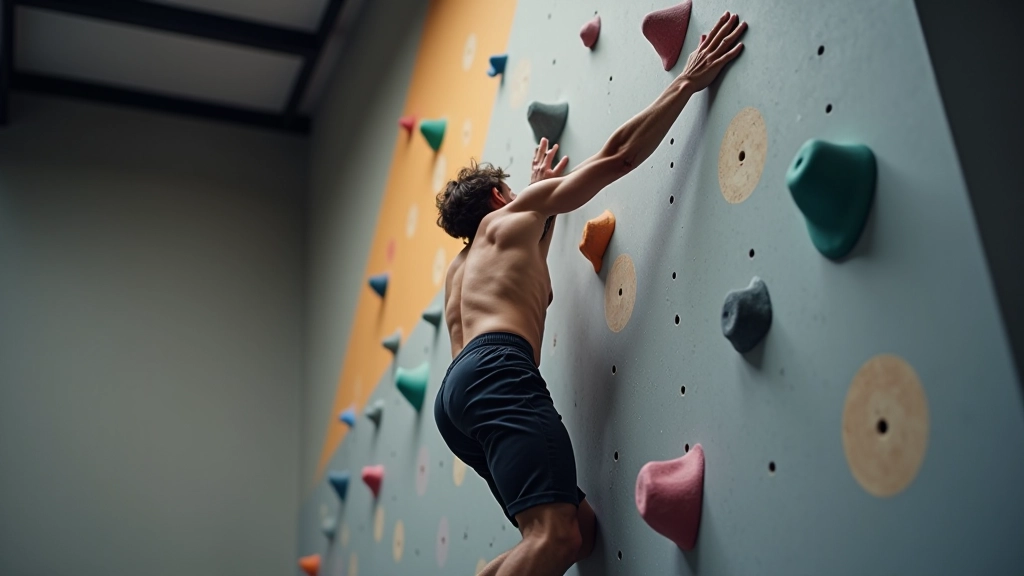
Most beginners make the same mistakes. We’ve seen them hundreds of times, and they all slow progress. The biggest one? Using only arm strength instead of legs. Your legs are 10x stronger than your arms — bouldering’s about pushing with your feet, not pulling with your hands.
Second mistake: gripping too hard. You’ll destroy your forearms if you squeeze the hold like you’re angry at it. Relax your grip. Use just enough pressure to maintain contact.
Third: rushing progression. Some people try problems way above their level because they see stronger climbers doing them. That’s how you get injured or develop bad habits. Spend 2-3 weeks on each difficulty level. Your technique will thank you.
Here’s what realistic progress looks like. Don’t expect to be climbing V3-V4 problems in your first month — that’s not how it works. The first month is about learning basic movements: how to stand, how to use your hips, how to position your feet correctly.
Master fundamentals. Climb 2-3 sessions per week. Focus on footwork and balance, not power. You’ll be sore — that’s normal.
Build strength. You’re reading the wall better now and noticing movement patterns. Add 1-2 extra sessions. Start trying slightly harder problems.
Real progress emerges. You’ll send (complete) problems you couldn’t touch a month ago. Rest becomes important — don’t climb more than 4 times weekly or you’ll burn out.

Bouldering’s accessible, genuinely fun, and you’ll see progress faster than any other sport we know. Czech Republic’s got excellent facilities and a welcoming climbing community. Find a gym near you, take a beginner class, and don’t worry about being bad — everyone starts there.
The hardest part isn’t the climbing — it’s showing up consistently. Do that and you’ll surprise yourself with what you’re capable of.
Ready to explore other climbing destinations in Czech Republic?
Browse All GuidesThis guide is informational only and intended to introduce bouldering concepts and Czech climbing resources. Bouldering involves inherent risks including falls, injuries, and muscle strain. Always climb under supervision when learning, wear appropriate safety equipment, use crash pads correctly, and follow gym rules. If you’re new to climbing or have physical limitations, consult with certified instructors before attempting bouldering. This content doesn’t replace professional instruction — experienced guidance from qualified coaches is essential for safe progression.